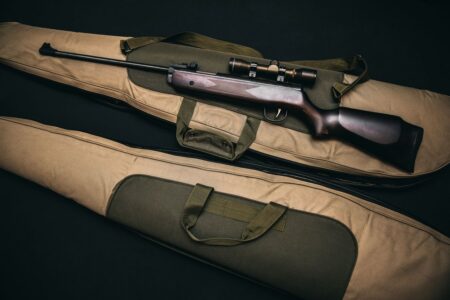
A quality rifle scope can make the difference between a successful hunt and a missed opportunity. But with thousands of options ranging from under $100 to over $5,000, choosing the right scope feels genuinely overwhelming. This guide breaks down every key specification so you can make an informed decision.
Understanding Magnification
Scope magnification is expressed as a number followed by “x” — as in 4x (fixed) or 3-9x (variable). Fixed power scopes are simpler and more rugged; variable scopes offer flexibility for different distances.
- 1-4x: Close-range brush hunting, 3-gun competition, home defense
- 3-9x: The most versatile hunting scope; handles 50 to 400 yards effectively
- 4-12x or 6-18x: Deer and varmint hunting, target shooting to 500 yards
- 6-24x and above: Precision shooting, benchrest, long-range competition
Objective Lens Size
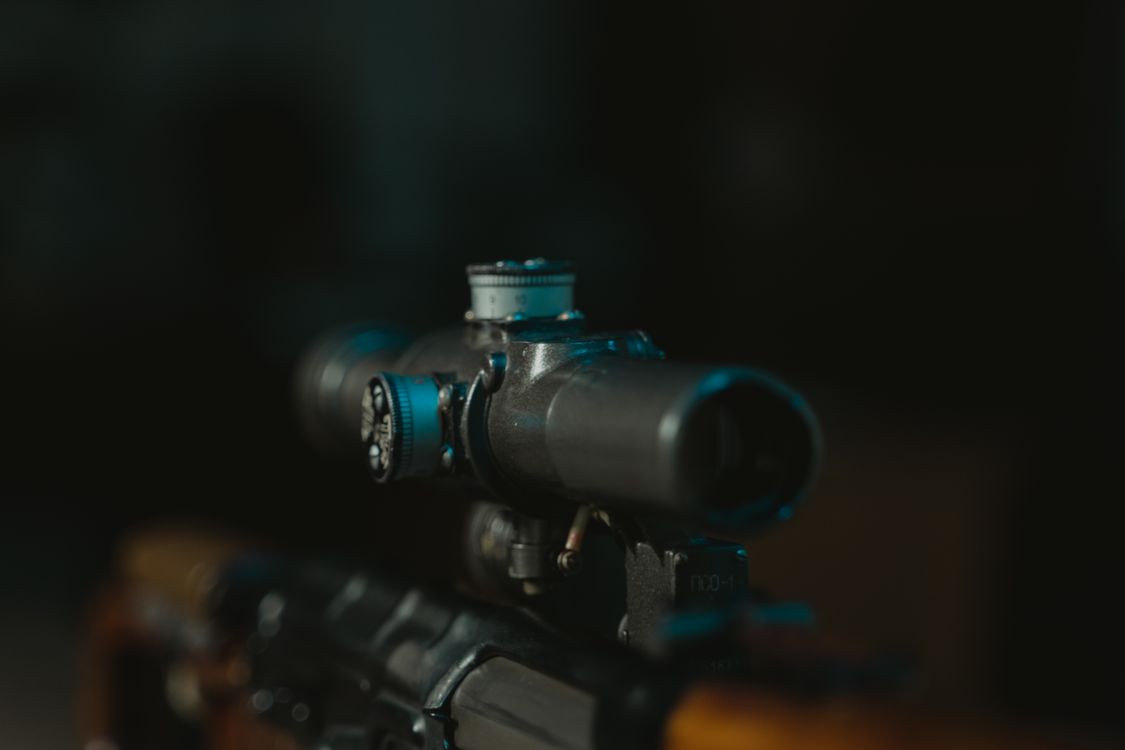
The objective lens (the front lens) is measured in millimeters. A larger objective gathers more light — critical for dawn and dusk hunts. However, larger objectives add weight and require higher scope rings.
- 32mm to 40mm: Ideal for most hunting applications; manageable weight
- 44mm to 50mm: Better low-light performance; good for high-magnification scopes
- 56mm+: Maximum low-light; heavy and requires very high rings
First Focal Plane vs Second Focal Plane
- First Focal Plane (FFP): The reticle scales in size as you increase magnification. Holdover marks are accurate at any power setting. Preferred for precision shooting and long-range work.
- Second Focal Plane (SFP): The reticle stays the same apparent size regardless of magnification. Holdovers are only accurate at the specific power they’re calibrated to. More common in hunting scopes; less expensive to manufacture.
Reticle Types Explained
- Duplex: Simple crosshair with thick outer posts. Excellent for hunting — fast and uncluttered.
- MOA or Mil-Dot: Grid or dot system for precise range estimation and holdovers. Preferred for precision shooting.
- BDC (Bullet Drop Compensator): Pre-programmed holdover points for specific loads. Easy to use but less precise than MOA/MIL systems.
- Illuminated: An illuminated center dot or reticle for low-light shooting. Useful for dawn and dusk hunts.
Budget Tiers
- Under $200: Vortex Diamondback, Primary Arms — adequate for most hunting use
- $200 to $500: Vortex Viper, Bushnell Prime — noticeably better glass and adjustments
- $500 to $1,000: Vortex Razor, Nightforce SHV — excellent in most conditions
- $1,000+: Leupold VX-6HD, Nightforce NX8, Schmidt and Bender — best available glass
Shop Rifle Scopes at TX Firearms
TX Firearms carries a wide selection of rifle scopes for hunting, competition, and tactical use. Browse our rifle scopes and find the right optic for your build.